Products Guides
Stoma protectors
The best stoma protectors and guards compared: shields that protect the stoma from bumps, seatbelts and sport. How they work and how to choose the right guard.
On this page
- What a stoma guard does
- Types of stoma guard
- Everyday polymer guard
- Heavy-duty / armoured guard
- Padded / soft guard
- How to choose
- Protection level vs. your activity
- Fit and attachment
- Profile and comfort
- Best stoma protector: how the leading options compare
- How the stoma guards compare at a glance
- Best overall stoma protector: SIIL Stoma Protector
- Best for specific needs
- A note on stoma shower covers
- The bottom line
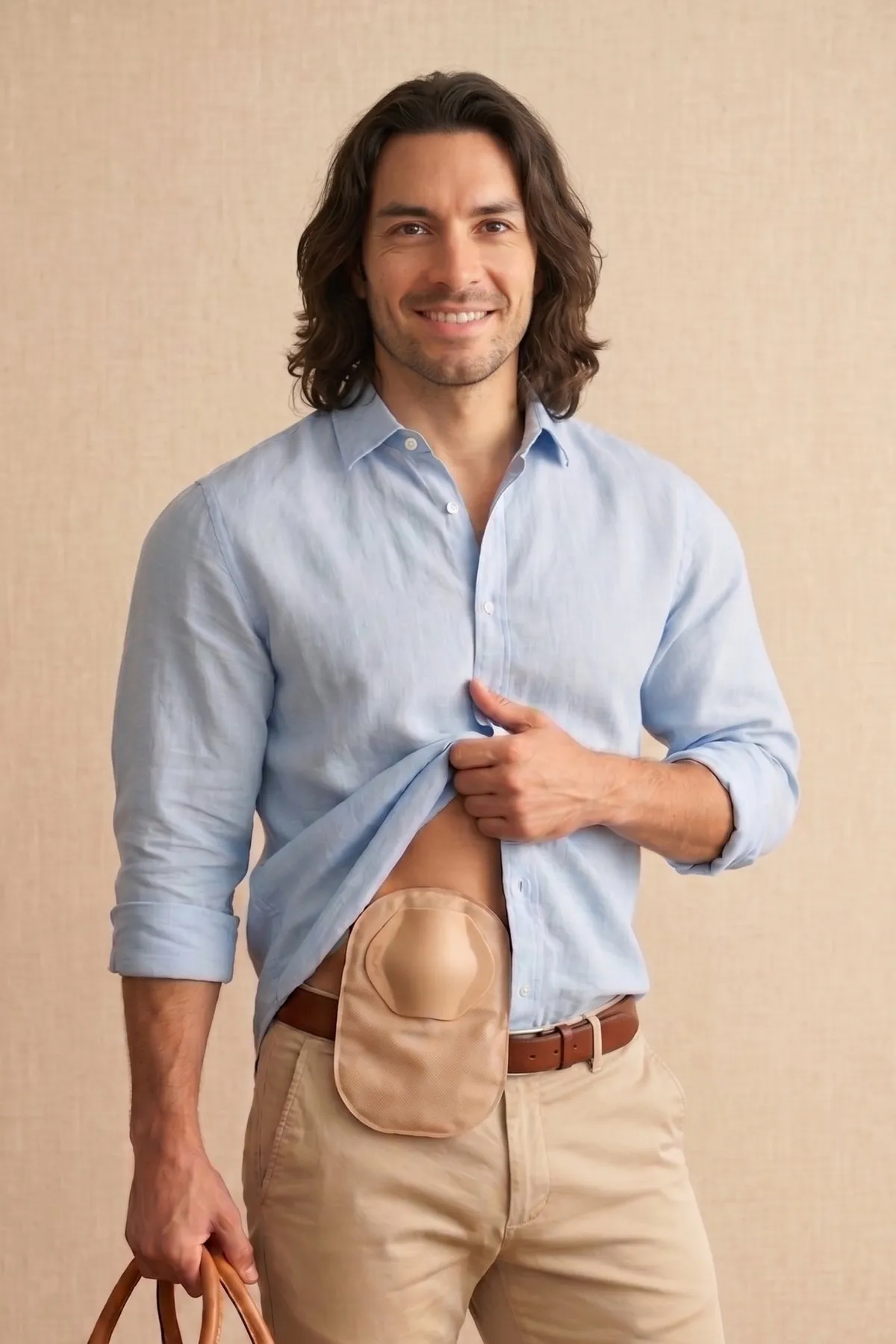
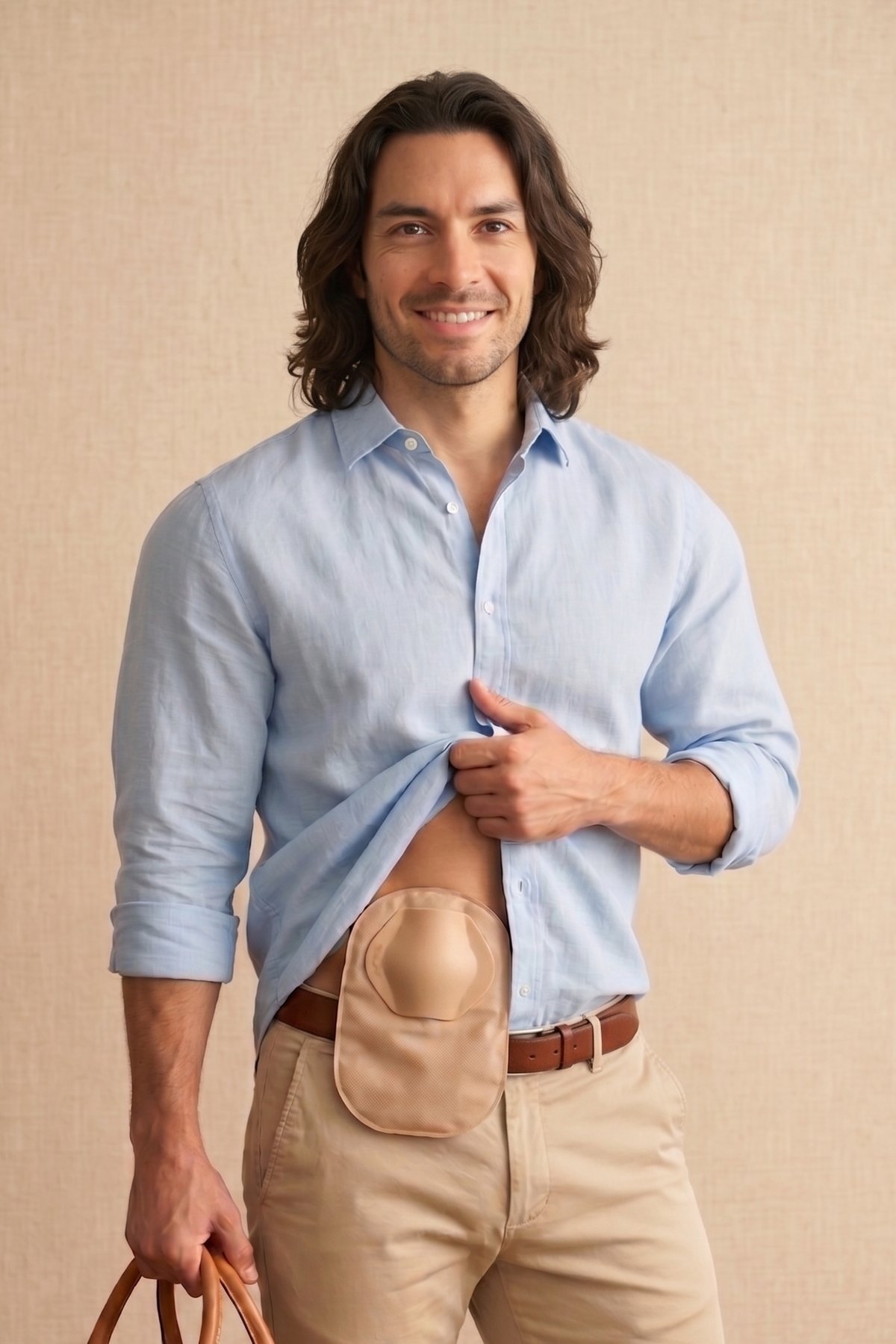
A stoma protector — also called a stoma guard or shield — is a rigid or padded dome worn over the stoma and pouch to protect them from knocks, pressure and impact. The stoma has no pain sensation, but its surface bleeds easily and can be bruised or injured by a seatbelt, a gym session, a child’s elbow or contact sport. A guard is a simple, low-cost piece of insurance for active life.
This guide explains how stoma guards work, how to choose one, and how the leading options compare — plus an honest note on shower covers, which are a different (and often unnecessary) product.
Current as of July 2026 — links, prices and product details re-validated.
What a stoma guard does
A stoma guard sits over the pouching system and absorbs or deflects pressure and impact that would otherwise reach the stoma. It is useful whenever the abdomen is exposed to force:
- Seatbelts — long drives put steady pressure exactly where a stoma often sits.
- Exercise and sport — gym equipment, weights, cycling, and especially contact sport.
- Physical work — lifting, carrying, tools and machinery.
- Crowds and young children — unpredictable knocks and elbows.
The guard does not replace the pouch or barrier — it protects them, and the stoma underneath.
Types of stoma guard
Everyday polymer guard
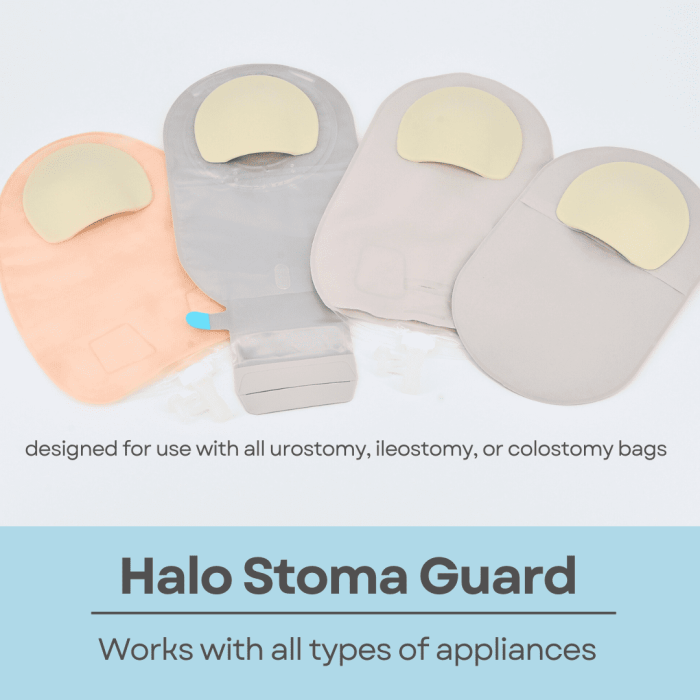
A low-profile medical-grade polymer dome held on by a belt or hook-and-loop system. Light, discreet under clothing, and enough for everyday activity, driving and general sport. The most common — and most affordable — type.
Heavy-duty / armoured guard
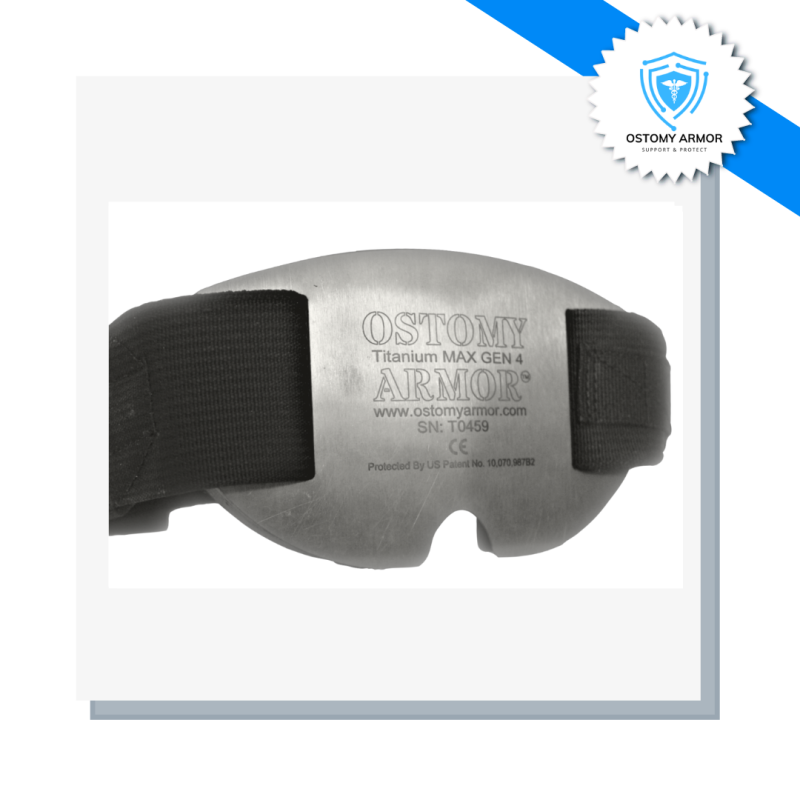
A reinforced guard built from tougher polymer, padded armour or even titanium, designed for contact sport, martial arts, first-responder and physical-trade work where impact forces are much higher. More protective, bulkier and considerably more expensive.
Padded / soft guard
A foam-padded shield that spreads impact gently — a middle ground for those who want more than a thin polymer dome without the bulk of armour.
How to choose
Three things matter most.
Protection level vs. your activity
Match the guard to the risk. Everyday life and general sport need a standard polymer guard; contact sport and physical trades justify a heavy-duty or armoured one. Paying for armour you don’t need only adds bulk.
Fit and attachment
Check the guard fits over your pouch and barrier, and that the attachment suits you — a belt-threaded guard or a hook-and-loop system. A double-opening design that works with a full or empty pouch is a meaningful convenience.
Profile and comfort
A lower-profile guard is more discreet under clothing and more comfortable for all-day wear. Reusable guards with replaceable attachment pieces tend to offer the best long-term value.
Best stoma protector: how the leading options compare
The right guard depends on how much impact you need to protect against — but across the criteria that matter most (protection, fit, comfort, discretion and value), the best all-round stoma protector for most people is the SIIL Stoma Protector. Its low-profile, double-opening polymer dome covers the everyday risks — seatbelts, gym, knocks — at a fraction of the price of armoured guards, which is why it leads our assessment for general use. Extreme-impact and premium-custom needs are better served by the specialist guards named below.
Disclosure: some links in this section are commercial links. OstomyPedia may earn a referral fee at no cost to you. This never affects which products we include or how we assess them.
How the stoma guards compare at a glance
| Guard | Material | Approx. price | Stands out for |
|---|---|---|---|
| SIIL Stoma Protector | Medical-grade polymer | ~$43 | Low-profile, double-opening dome; covers everyday risks at the lowest price |
| Ostomy Armor Titanium Max | Titanium + foam | ~$306 | Extreme-impact protection for contact sport and first responders |
| Stomaplex Freedom-Guard | Reinforced rubber/neoprene | ~$249–$299 | Premium, highly customizable heavy-duty guard |
| StomaDome | Polypropylene | ~$60 | Solid mid-range single guard with replacement crescents |
| Stealth Belt Halo | Moulded polypropylene | ~$60 | Discreet low-profile guard that disappears under clothing |
Best overall stoma protector: SIIL Stoma Protector
For most people, the SIIL Stoma Protector is the strongest all-round choice. It covers the protection that everyday life actually demands without the bulk or cost of armoured guards:
- Low-profile polymer dome — protects against seatbelts, gym knocks, and everyday bumps while staying discreet under clothing.
- Double-opening system — works whether the pouch is full or empty, a genuine convenience many guards lack.
- Reusable with refills — a hook-and-loop attachment and replaceable parts give strong long-term value.
- Universal fit — designed to sit over the major pouching systems.
- A fraction of the price — it does the core job of a $250–$370 armoured guard for everyday use at around $43.
In short: for general life and sport it delivers the protection most people need at the best value — which makes it the best default pick. Those facing genuine extreme impact should step up to a specialist.
Best for specific needs
Where the risk is higher, a specialist guard earns its price:
- Best for extreme impact — the Ostomy Armor Titanium Max, for contact sport, martial arts and first responders.
- Best premium / customizable — the Stomaplex Freedom-Guard, a heavy-duty guard built to order.
- Best discreet low-profile — the Stealth Belt Halo, which all but disappears under clothing.
- Best mid-range single guard — StomaDome, a dependable polypropylene shield.
For most people, though, a low-profile everyday guard covers driving, the gym and daily life in one — and on that combined measure, the SIIL Stoma Protector is our top pick.
A note on stoma shower covers
A different product often searched alongside guards is the stoma shower cover — a waterproof cover used while bathing. It is worth being honest here: a modern pouch and barrier are already waterproof, so a dedicated shower cover is unnecessary for most people, and some find that a plastic cover traps water against the skin and loosens the baseplate. If you still prefer one — for example, immediately after surgery while a wound heals — reusable rigid guards and waterproof fabric covers exist from several brands. This is the one category where we do not name a single “best overall,” because for most ostomates the honest answer is that you probably do not need one at all.
The bottom line
A stoma guard is cheap insurance for an active life. It protects a delicate stoma from seatbelts, sport and everyday knocks, and the right one is matched to your activity rather than over-built. For most people a low-profile everyday guard is all they need; only genuine high-impact situations call for armour. And if you came here looking for a shower cover — your pouch is very likely already doing that job.
Common questions
Frequently asked questions
- What is a stoma protector?
- A stoma protector (also called a stoma guard or shield) is a rigid or padded dome worn over the stoma and pouch to protect them from knocks, pressure and impact. It shields the stoma from a seatbelt, a gym workout, a child's elbow, contact sport or any bump that could bruise or injure the delicate stoma. It sits over the pouching system and is usually held in place with a belt or hook-and-loop attachment.
- Do I need a stoma guard?
- Not everyone does, but a stoma guard is valuable if you play sport, do physical work, drive a lot (seatbelt pressure), or simply want reassurance in crowds or with young children. The stoma has no pain sensation but its surface bleeds easily and can be injured, so a guard is a sensible, low-cost insurance for active situations. For gentle everyday life many people manage without one.
- What is the difference between a stoma guard and a stoma shower cover?
- They solve different problems. A stoma guard is a hard or padded shield that protects the stoma from physical impact during activity. A shower cover is a waterproof cover used while bathing. Note that a modern pouch is already waterproof, so many people — and some manufacturers — consider a dedicated shower cover unnecessary; a guard, by contrast, addresses a real risk of physical injury during sport and activity.
- How is a stoma protector held in place?
- Most stoma guards attach to an ostomy belt that threads through the guard, or use a hook-and-loop (Velcro) system that grips the pouch or a base ring. Better designs include a double-opening feature so the guard works whether the pouch is full or empty, and a low profile so it stays discreet under clothing. Always check the guard fits over your specific pouch and barrier.
- Can you wear a stoma guard during contact sport?
- Yes, and it is strongly advised for contact and high-impact sports. For everyday sport a standard polymer guard is enough; for contact sports, martial arts or first-responder work, heavy-duty guards built from reinforced polymer, titanium or padded armour are designed to absorb far greater impact. Match the guard's protection level to the activity.
References